
Informative Story – Effect of Digital ‘Media’ on Youth and Children
“Sometimes you have to disconnect to stay connected… We’ve become so focused on that tiny screen that we forget the big picture, the people right in front of us.” — Regina Brett
Canadian children and youth are spending seven to nine hours daily on screens ,not including schoolwork and experts are warning of serious consequences. Across Canada, in homes and schools, young people aged 8 to 18 are using smartphones, tablets, and social media more than ever before, especially since the COVID-19 pandemic. This high level of digital exposure is affecting their sleep, mental health, attention spans, and family relationships. In 2023, the Canadian Paediatric Society reported that excessive screen time is linked to rising anxiety, depression, and attention problems among youth. This story explores how digital overuse is reshaping childhood and what families can do to find balance.
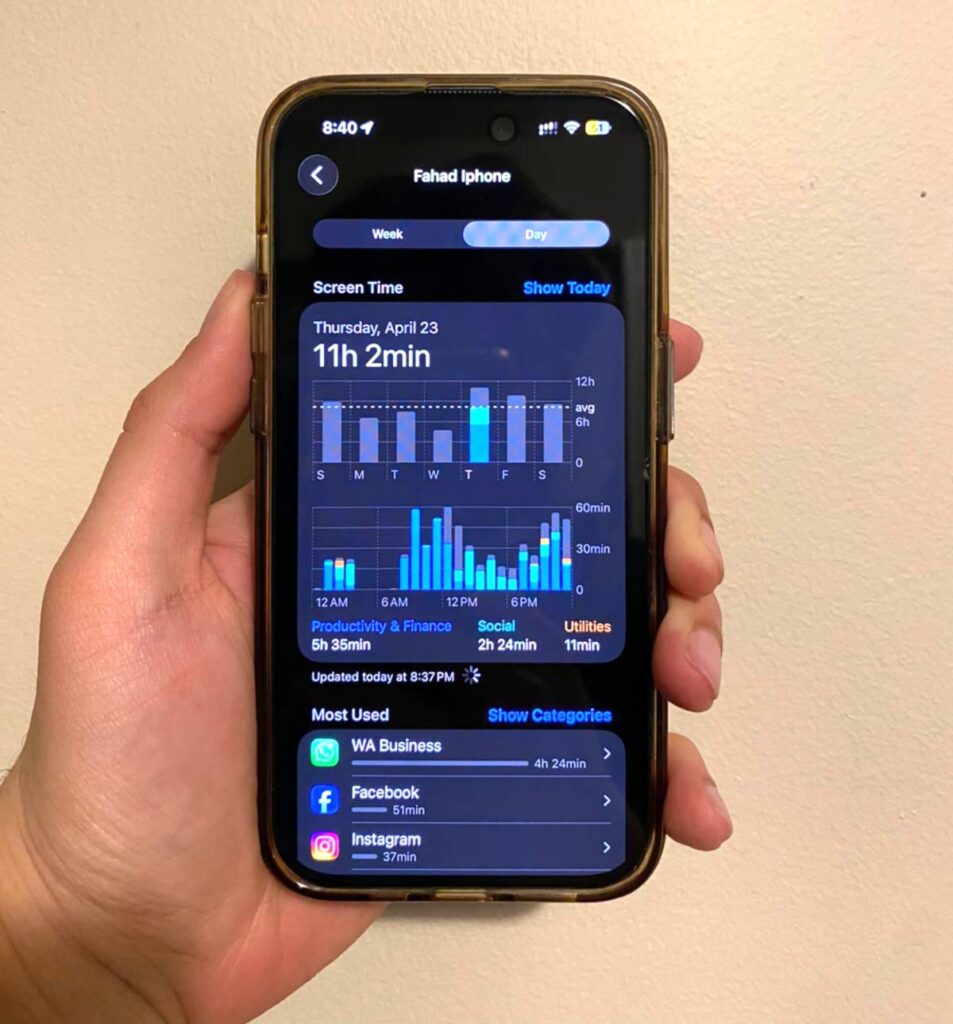
“Scrolling is the new smoking.” — Joshua Fields Millburn
The internet revolution didn’t happen overnight. Mobile phones gained popularity around 2012. Social media platforms such as Instagram and TikTok took off not by chance, but by design. Each “like,” “share,” and autoplay video is designed to keep your eyes glued to the screen. Enter the pandemic in 2020. Schools closed. Faces were replaced with screens. Everything from school to hanging out, to even dinner with family was online. Screen use for most teens increased by two hours. An emergency became a habit. Canadian Government reported that their child’s screen use is a source of family conflict. Fights over dinner, late-night phone habits, and declining grades the stories are all too common.

Too much screen time can be harmful, and there’s research to back it up. According to Huron Perth Public Health, which follows Canadian Paediatric Society guidelines, excessive screen use can lead to increased feelings of anxiety and depression, decreased attention span, lower self-reported happiness, and sleep difficulties. Adolescents who use social media for more than five hours per day are at significantly higher risk of suicidal thoughts than those who use it for an hour or less. Then there’s sleep. The blue light from devices blocks melatonin, a hormone that promotes sleep. In 2023, the Hospital for Sick Children in Toronto reported that 40 percent of teens who used their phones late at night had fewer than seven hours of sleep. By comparison, teens need nine to ten hours. Lack of sleep can lead to irritability, academic performance issues, and compromised immunity not to mention the emotional damage social media can have.
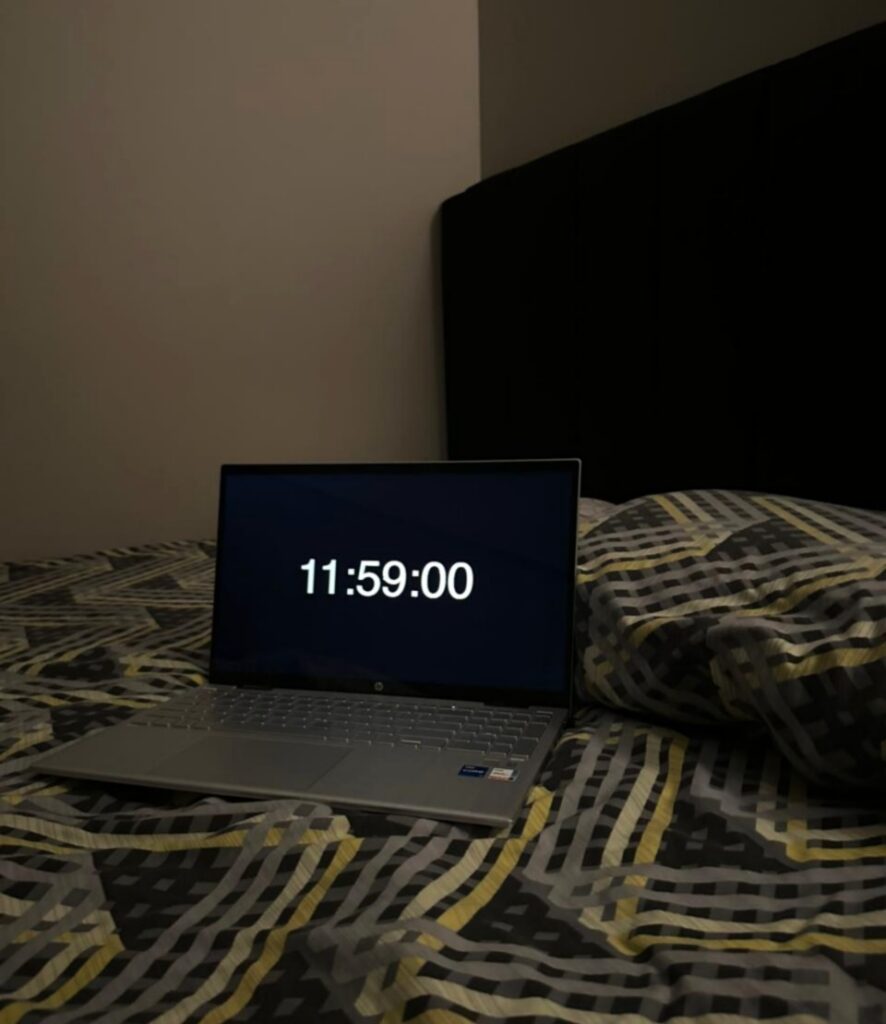
Experts are divided about what should be done. Some say digital media isn’t necessarily bad. Virtual networks connect LGBTQ+ teenagers with each other when their community has no support organizations. Learning apps help children learn to read and do mathematics. Computer games can even enhance hand-eye coordination and problem solving. A 16-year-old from Ontario, who asked not to be named, said: “My phone helps me stay connected to my friends. I’d feel really isolated without it. But I also know I stay up too late scrolling.” Some experts say the problem isn’t the screens, but how and how much they’re used. Others blame social media companies directly. In 2024, a former Instagram employee told the U.S. Senate that the company was aware its algorithm was amplifying dangerous content pro-eating disorder, pro-cutting, pro-bulimia posts, and toxic comparisons to children, but failed to intervene. Meta has since introduced features like “Take a Break” reminders and supervision tools for parents, though critics say these do not go far enough. In Canada, children’s advocates are calling for more regulation, akin to tobacco and gambling. To date, there is no federal legislation that regulates the use of addictive features in tech aimed at children.
Parents do not have to wait for new legislation. The Canadian Paediatric Society provides practical advice: no devices one hour before bed, no devices in bedrooms at night, and for children aged 5 to 18, limit recreational screen time to less than two hours per day. Huron Perth Public Health also recommends outdoor play, reading together, board games, sports, and learning a musical instrument as healthy alternatives to screens. A Calgary family told a local newspaper that removing phones from the dining room halved their fights. It’s easy to underestimate how quickly little changes can make a difference.

The question is not whether digital media is here to stay. Of course it is. But will adults take responsibility to teach their children how to use technology or will technology continue to use us?